
Introduction
Over the last two years, one of the most significant shifts I’ve observed in digital marketing is how businesses collect and use customer data. With third-party cookies being phased out, marketers can no longer rely on traditional tracking methods to understand user behaviour or target audiences.
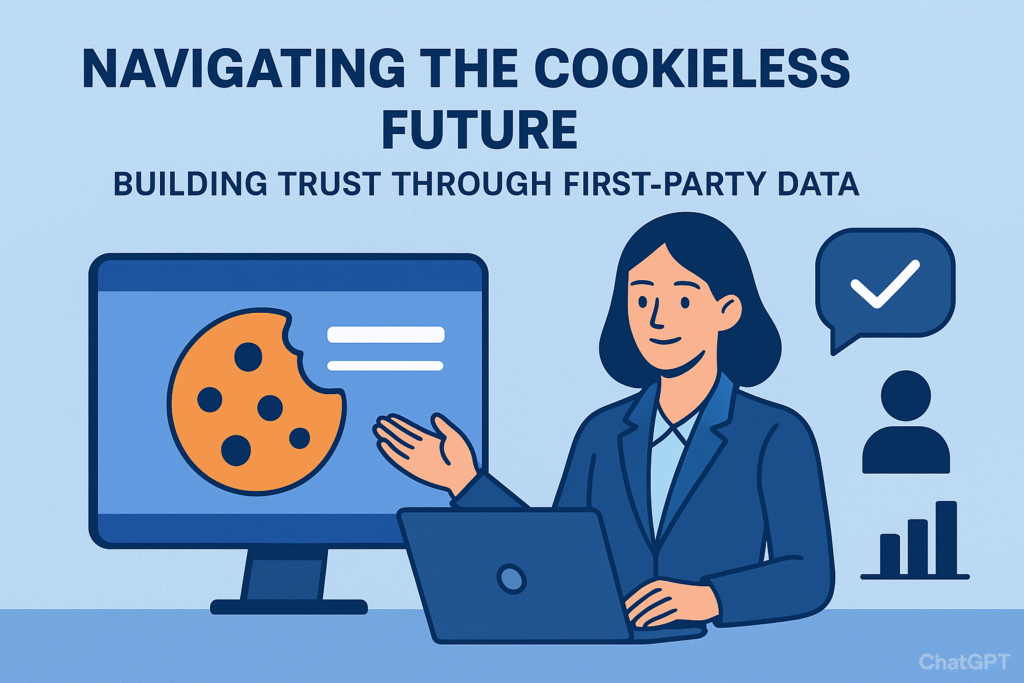
While this change can feel challenging for many businesses, I see it as a tremendous opportunity. Moving toward a cookie less future encourages more ethical, transparent, and trust-driven marketing practices. In this blog, I’ll share strategies that help businesses thrive in this new environment, from collecting first-party data to implementing contextual marketing and maintaining compliance.
Why Third-Party Cookies Are Disappearing
Third-party cookies have been a cornerstone of digital marketing for years, enabling businesses to track users across websites and deliver targeted ads. However, growing privacy concerns and stricter regulations have forced major browsers to limit their use.
-
Privacy regulations: Laws like GDPR and CCPA require businesses to handle data responsibly.
-
Browser changes: Chrome, Safari, and Firefox have restricted or phased out third-party cookie tracking.
-
User trust: Consumers are becoming increasingly aware of online tracking and are demanding more control over their data.
As a result, businesses can no longer rely solely on third-party cookies to reach the right audience. Instead, first-party data and contextual marketing have emerged as effective alternatives.
Collecting First-Party Data
First-party data is information that customers willingly share with a brand. This data is more reliable and privacy-compliant than third-party tracking, and it helps businesses build meaningful relationships with their audience.
Here’s how I help businesses collect and leverage first-party data:
1. Lead Magnets and Gated Content
-
Create valuable resources such as free guides, templates, eBooks, or mini-courses.
-
Offer these resources in exchange for email addresses or other contact information.
-
Leads obtained this way are more engaged because they voluntarily opted in.
2. Email Campaigns and Newsletters
-
Use email campaigns to nurture trust and maintain communication with subscribers.
-
Develop personalized email sequences that guide prospects through the buyer journey.
-
Emails often generate higher conversions than paid ads due to the direct relationship with the subscriber.
3. Progressive Profiling
-
Collect user data gradually instead of asking for too much upfront.
-
Gather additional details as customers interact with the brand over time.
-
Ensures the data collection process feels natural and non-intrusive.
By focusing on first-party data, businesses not only gain valuable insights but also foster permission-based, trust-driven relationships with their audience.
Contextual Marketing: A Smart Alternative
Contextual marketing is a strategy where ads are placed based on the content of the page rather than personal tracking data. This approach aligns messaging with the user’s immediate interests and respects privacy.
-
Relevant ad placement: For example, promoting fitness equipment on a health blog or marketing software on a business-focused site.
-
Higher engagement: Users are more likely to interact with ads that are relevant to the content they’re already viewing.
-
Privacy-friendly: No need for invasive tracking, making campaigns compliant and ethical.
In my experience, combining contextual targeting with first-party data allows businesses to reach the right audience while maintaining trust.
Technology and Tracking Solutions
Even without third-party cookies, businesses can still measure performance effectively by using modern tools and solutions:
-
Server-side tagging: Captures essential events and conversions accurately, without relying on cookies.
-
Consent management systems: Clearly communicate to users what data is being collected and obtain their consent.
-
Analytics dashboards: Combine first-party data and contextual insights for smarter decision-making.
-
A/B testing and optimization: Test campaigns continuously to identify what drives engagement and conversions.
These technologies ensure businesses remain compliant while still collecting actionable insights for strategic decisions.
Why the Cookie less Future is an Opportunity
Many businesses fear that losing cookies will reduce control over marketing efforts. In reality, this shift is an opportunity to build stronger, trust-based relationships with customers:
-
Transparency builds loyalty: Consumers are more likely to share information with brands they trust.
-
Better data quality: First-party data is more accurate and relevant than third-party data.
-
Competitive advantage: Businesses that invest in ethical data practices now will be ahead in 2025 and beyond.
-
Long-term engagement: Trust-driven marketing encourages repeat interactions and stronger brand relationships.
In short, the cookie less future encourages responsible marketing that benefits both businesses and customers.
Steps Businesses Can Take Today
For companies looking to adapt successfully, here are practical steps I recommend:
-
Invest in first-party data: Use lead magnets, gated content, and email campaigns to collect data directly from customers.
-
Implement contextual targeting: Align ad placements with the user’s interests without relying on tracking cookies.
-
Use progressive profiling: Gather information gradually to avoid overwhelming potential customers.
-
Leverage technology: Employ server-side tagging, analytics dashboards, and consent management tools.
-
Prioritize transparency: Communicate openly with users about how their data is used.
-
Test and optimize: Continuously analyse campaigns to improve performance and ROI.
By taking these steps, businesses can navigate the cookie less landscape confidently and create marketing strategies that resonate with audiences.
Conclusion
The cookie less future isn’t something to fear it’s a chance to transform marketing into a more ethical, customer-focused practice. By collecting first-party data, embracing contextual advertising, and maintaining transparency, businesses can build stronger relationships, gain better insights, and achieve measurable growth.
As a digital marketer, I help businesses turn this challenge into opportunity by designing strategies that are trust-driven, compliant, and effective. After all, in 2025 and beyond, trust is the new currency in marketing. Brands that earn it will not only survive they will thrive.